
From Waiting to Welcoming: How Children’s of Alabama Elevated Pediatric ED Experience
Published March 1, 2026

Children’s of Alabama elevated its pediatric emergency department experience by using real-time feedback, activating surge capacity sooner, and creating sensory-friendly spaces to better support patients and families. These targeted efforts reduced Left Without Being Seen rates by more than half and led to top national performance among peer pediatric emergency departments.


Related content
-
Patient Family & Community Engagement
Teen Volunteers are Shaping the Human Experience in Healthcare
Published July 1, 2026

This blog is part of a series on Teen/Youth Volunteer Programs in healthcare. See links at the bottom for other resources. By Jill Hilliard, Volunteer Services Coordinator Family Partners and Support Group Le Bonheur Children’s Hospital Why Teen Voices Matter “I spent my 16th birthday in a hospital room. I remember scrolling through photos of my
Learn more -
Patient Family & Community Engagement
Building Trust in the Absence of Certainty: Community as Trust in Action
Published August 6, 2026
This personal narrative explores how trust is experienced and sustained in the context of serious illness, where uncertainty is persistent and control is limited. Drawing on the lived experience of caregiving for a child with an undiagnosed congenital diaphragmatic hernia (CDH), this personal narrative examines how trust emerges not as a matter of belief or
Learn more -
Culture & Leadership | Patient Family & Community Engagement
National Human Experience Movement Led by SOBREXP in Brazil
Published October 28, 2025
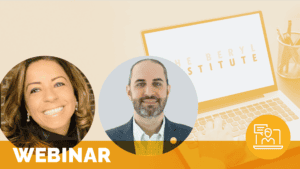
Complimentary – Discover the inspiring journey of Brazil’s National Movement in Human Experience, led by SOBREXP, the Brazilian Society of Patient Experience and Person Centered Care. Learn about the timeline, strategies, challenges, and key achievements that have shaped this groundbreaking effort to elevate the human experience. Speakers: • Carla Ledo, RN, MBA, CPXP | President,
Learn more


